
Corporate Governance Failures That Lead to Fraud.
- May 19, 2026
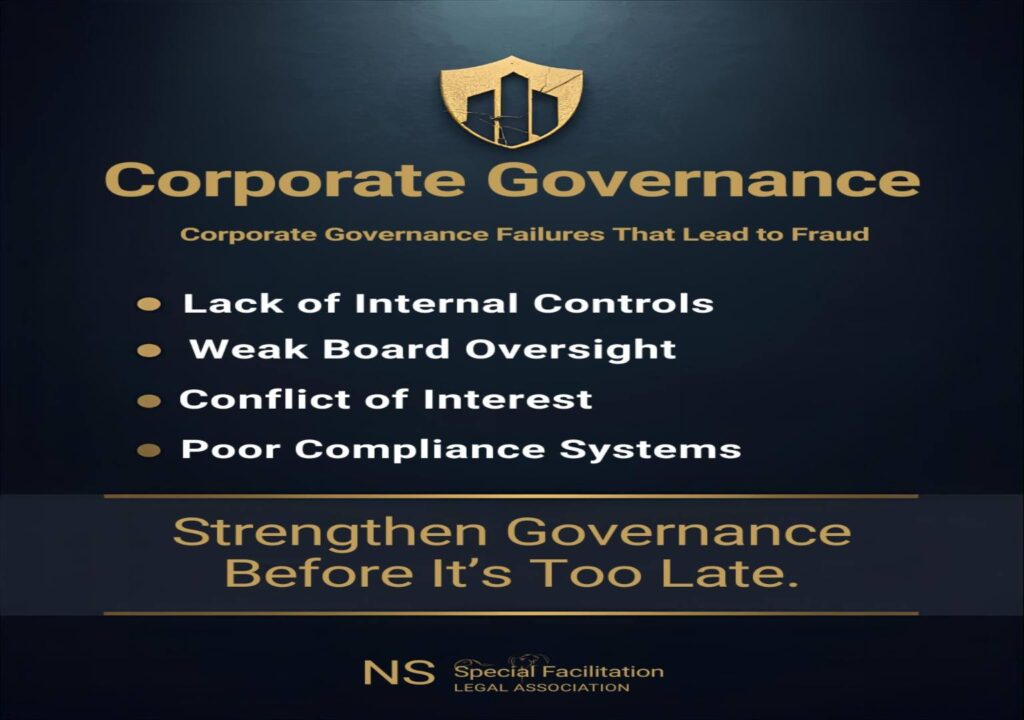
Corporate governance is really just about how a company runs—who’s making the decisions, what rules and systems guide them, and whether anyone’s actually checking if things are done right. When governance works, you get transparency, accountability, and a business that acts ethically. But when it breaks down? Suddenly, fraud, shady financial tricks, and power abuse sneak in.
Big corporate scandals, in India and around the world, show that it’s almost never just one bad apple. Fraud thrives when internal controls are sloppy, oversight is weak, and nobody’s held responsible. Spotting the ways corporate governance can fail is the first step to shutting fraud down before it starts.
This guide breaks down the biggest governance failures that open the door to fraud—and what companies can do to stay safe.
Why Does Corporate Governance Matter?
- Protects people who invest in the company
- Keeps business operations open and honest
- Stops anyone from misusing company money
- Builds trust with everyone involved
- Helps the company follow the law
- Encourages an ethical business culture
With strong governance, there’s less room for trouble.
What Counts as Corporate Fraud?
Corporate fraud is when directors, top execs, employees, or even outsiders do something shady for their own gain and it hurts the company or its stakeholders. Some common tricks:
- Faking financial statements
- Stealing company money
- Bribery and kickbacks
- Insider trading
- Fudging records
- Grabbing assets that aren’t theirs
Fraud spreads fast when nobody’s watching.
The Big Corporate Governance Failures That Lead to Fraud
- Weak Board Oversight
The board of directors should keep management in check. When they don’t:
- Managers do whatever they want
- Risky deals slip through
- Fraudulent stuff goes on for ages
A board that just sits back basically invites fraud.
- No Independent Directors
Independent directors are supposed to bring an outside perspective. Without them:
- Founders or promoters call all the shots
- Dissenting voices get shut down
- Decisions get biased
This makes it way easier to cook the books.
- Bad Internal Controls
Internal controls are there to catch mistakes and fraud.
If controls are weak, you’ll see things like:
- One person in charge of everything
- No system for approvals
- Manual accounting with no checks
- Lousy IT security
That’s just asking for someone to abuse their power.
- Useless Internal Audit
Auditors are supposed to spot irregularities. When internal audit is toothless:
- Fraud keeps going
- Management hides their own misconduct
- Audit reports get ignored
A good internal audit team stops a lot of trouble before it starts.
- Management Override
Even the best systems fail if the top brass just steamrolls over them.
- Bosses approve fake entries
- Staff get pressured to fudge numbers
- Bad news gets covered up
When management ignores controls, the risks skyrocket.
- Conflicts of Interest
When directors or execs stand to gain personally from company deals:
- They start self-dealing
- Related-party transactions get abused
- Company resources get funneled to individuals
If nobody’s disclosing conflicts, fraud risk shoots up.
- Opaque Financial Reporting
Vague or misleading financial statements? That’s where fraud hides out.
- Revenue gets inflated
- Liabilities vanish
- Fake expenses get invented
Clear, honest reporting keeps everyone honest.
- No Whistleblower Policy
Employees are usually the first to spot something fishy. Without a safe way to report:
- People stay quiet, afraid of payback
- Fraud never comes to light
- Silence becomes the norm
India actually encourages whistleblower policies by law.
- Unethical Company Culture
If management only cares about making money, not doing the right thing:
- Employees cut corners
- Shady shortcuts become normal
- Nobody bothers with compliance
The culture at the top sets the tone everywhere else.
- Poor Compliance Monitoring
If nobody’s checking whether the company follows the law:
- Company law gets broken
- Taxes go unpaid
- Regulators step in with penalties
Ignoring compliance just creates more space for fraud.
Fraud Schemes Tied to Bad Governance
- Fake bills and expenses
- Pumped-up project costs
- Bribes in procurement
- Loan money getting siphoned off
- Related-party money transfers
- Insider trading
Usually, it’s not just one weak spot several things break down at once.
The Legal Backbone for Corporate Governance in India
- Companies Act, 2013
- SEBI (LODR) Regulations
- Prevention of Corruption Act
- Indian Penal Code
- Serious Fraud Investigation Office (SFIO)
The law requires companies to have proper governance in place.
What the Courts Have Said
- N. Narayanan v. SEBI (2013)
The Supreme Court said corporate fraud destroys investor confidence and deserves tough action.
- Sahara India Real Estate Corp. v. SEBI (2012)
The Court highlighted that directors have a duty to act honestly and in good faith.
- CBI v. Ramesh Gelli (2016)
The Court held that bank officials and company officers can be criminally liable for fraud.
Courts don’t let management off the hook when companies drop the ball on governance.
How Companies Can Avoid Governance Pitfalls
- Give the board real independence
- Bring in skilled internal auditors
- Put solid internal controls in place
- Set up ways for whistleblowers to speak up safely
- Run compliance audits regularly
- Offer practical ethics training
- Make everyone disclose conflicts of interest
It’s always easier and a lot cheaper to prevent problems than to fix them later.
Why Strengthening Governance Isn’t Always Easy
- Management sometimes pushes back
- Compliance costs money
- Not enough qualified people around
- Company culture can get in the way
Still, when companies invest in good governance, they’re really protecting their future.
Conclusion
Fraud doesn’t just pop up out of nowhere. It creeps in when oversight is weak, when no one’s paying attention, and when ethics take a back seat. Companies that shore up their governance stand a much better chance of steering clear of fraud and keeping their reputation, assets, and stakeholders safe.
If you want advice on corporate governance, fraud prevention, internal investigations, or compliance, reach out to Advocate Noor Yaqoob Shaikh. He’s got hands-on experience with corporate and commercial law.