
How to Draft an Effective Commercial Contract to Avoid Litigation
- March 28, 2026
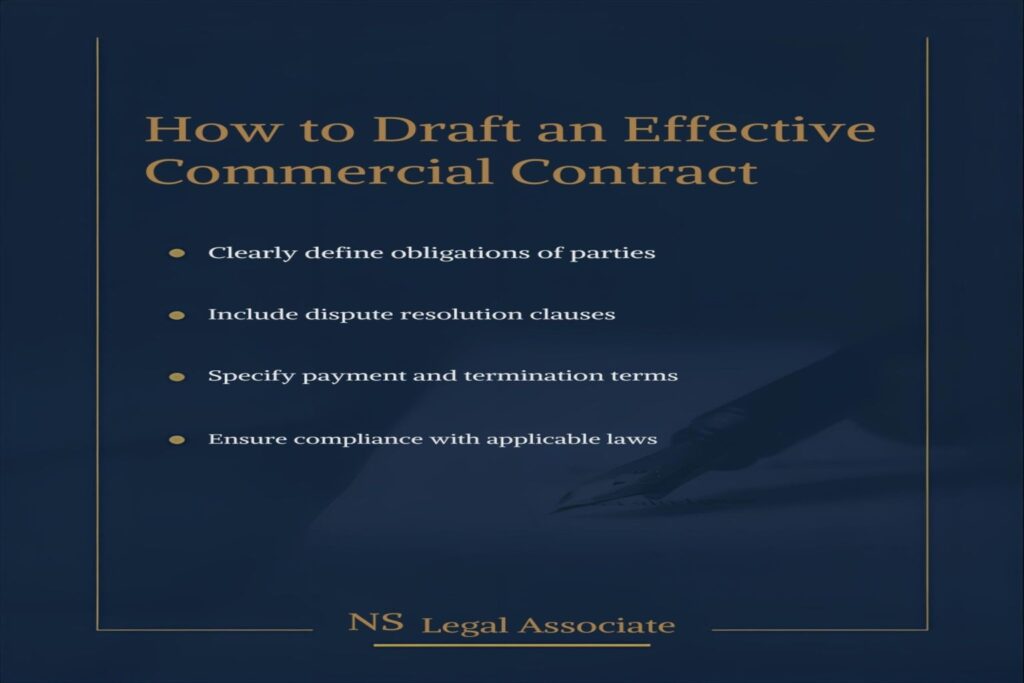
Commercial contracts really are the backbone of how businesses work together. Vendor agreements, service contracts, partnerships these documents keep things running smoothly and help everyone avoid messy misunderstandings. Honestly, most business disputes don’t happen because someone set out to cheat. The real problem is usually a badly written contract something vague, incomplete, or open to interpretation.
A solid contract lays everything out: rights, duties, expectations, the works. This guide shows you how to draft contracts that actually protect your business and keep you out of court.
Why a Strong Contract Matters
● Cuts down on confusion and misreading
● Keeps legal fights to a minimum
● Shields your business interests
● Makes relationships clearer
● Saves time, money, and a lot of headaches
A clear contract isn’t just paperwork it acts as a roadmap and a safety net when things go sideways.
Why Do Contracts Cause So Many Disputes?
- Fuzzy or unclear language
- Missing deadlines or deliverables
- Payment clauses that don’t make sense
- No plan for what happens if you disagree
- Weak or missing exit/termination details
- Terms that just favor one side
Most lawsuits could be avoided if people put more thought into the drafting.
What Every Good Contract Needs
- Clear Identification of Parties
Spell out the full legal names, addresses, and authorized signatories. If you get this wrong or leave it out, good luck enforcing your contract in court.
- Precise Scope of Work
Be specific about what’s being delivered services, goods, quality, timelines, and benchmarks. Get this clear upfront, and you’ll avoid fights over who was supposed to do what.
- Concrete Payment Terms
List the exact amounts, payment schedule, how payments are made, taxes, deductions, penalties for late payment everything. Vague payment terms are the biggest reason businesses end up in court.
- Timelines and Milestones
Clearly set out when things start and finish, key deadlines, and what happens if there’s a delay. Courts look at these details when there’s a breach.
- Confidentiality
Protect your secrets: business plans, client info, trade secrets. Make sure the contract covers what stays private and what happens if it doesn’t.
- Intellectual Property Rights
Who owns what? Spell out IP ownership, licensing, and how each side can use it. This stops arguments over inventions and branding before they start.
- Termination Clause
Lay out the legitimate reasons for ending the contract, how much notice is needed, and what happens after. This way, you can walk away if you need to without burning bridges.
- Indemnity and Liability
Set the limits on liability, who covers what, and what’s excluded. This protects you from nasty surprises and third-party claims.
- Force Majeure
Cover the “what ifs” natural disasters, government actions, pandemics. You can’t control everything, so build in protection for the things you can’t predict.
- Dispute Resolution
Decide upfront: mediation, arbitration, or court? Which laws apply? Where will disputes get settled? Nailing this down saves everyone time and money.
How to Steer Clear of Litigation
- Write in Plain English
Skip the legalese. Everyone should be able to read and understand the contract not just lawyers.
- Stay Fair
One-sided terms backfire. Courts don’t like them, and they often lead to disputes anyway.
- Tailor Every Contract
Templates are a starting point, not the finish line. Every deal is different. Customize.
- Think Ahead
Cover what might go wrong risks, changes, potential bumps in the road.
- Review and Update
Your business changes. So should your contracts. Keep them fresh and relevant.
What Courts Have Said
- In Nabha Power Ltd. v. Punjab State Power Corporation Ltd. (2017)
The Supreme Court made it clear: courts go by what’s actually written in the contract.
2. In Energy Watchdog v. CERC (2017)
The Court stressed that contracts need to spell out obligations clearly to avoid trouble.
Drafting Mistakes That Trip People Up
- Vague definitions
- Missing dispute resolution
- No mention of governing law
- Incomplete exit plan
- Ignoring compliance rules
Dodge these mistakes and your risk of a lawsuit drops fast.
Why You Want a Lawyer
A legal expert doesn’t just draft contracts they spot risks, make sure everything’s enforceable, and keep the contract up to date with the law. It’s an upfront investment that saves you a fortune later.
Practical Tips for Everyday Business
- Write down all agreements even the verbal ones
- Actually read contracts before you sign
- Store signed copies somewhere safe
- Train your team on what’s in the contracts
- Always check with a lawyer when in doubt
Conclusion
A well-drafted commercial contract is one of the most powerful tools to prevent litigation. It brings clarity, fairness, and predictability to business relationships. Investing time and effort in proper contract drafting helps businesses avoid disputes, protect their interests, and build lasting partnerships.
For professional assistance in drafting, reviewing, or negotiating commercial contracts, you may connect with Advocate Noor Yaqoob Shaikh, who specializes in commercial and corporate legal matters.