
How Legal Compliance Protects Startups from Disputes
- May 18, 2026
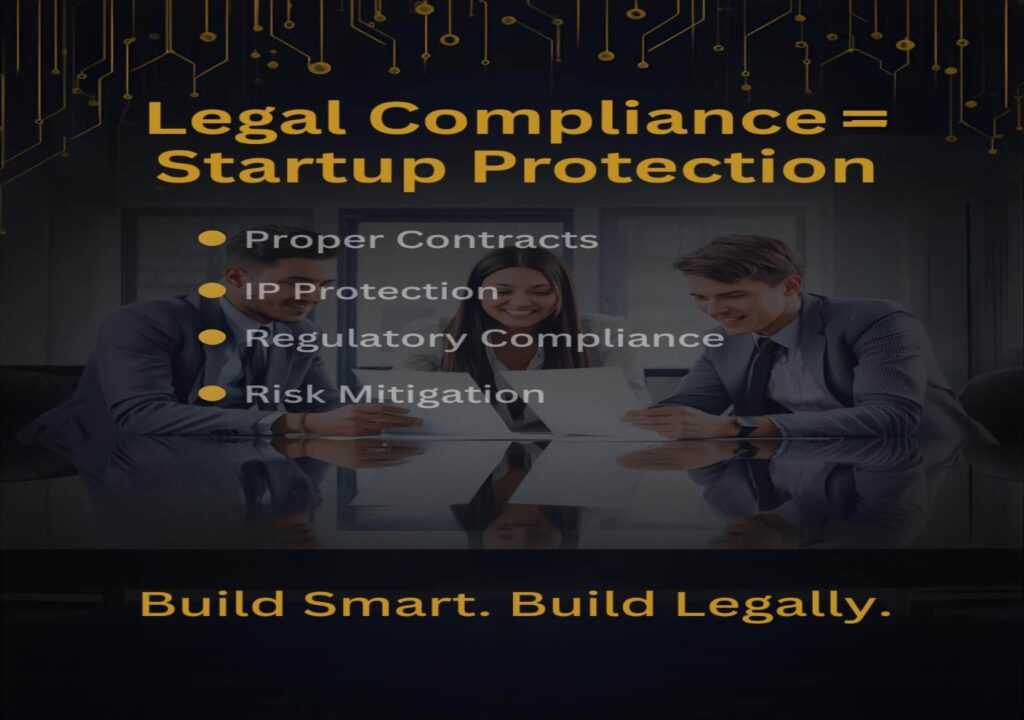
Startups move fast. Everyone’s chasing growth, fresh ideas, and a spot in the market. But here’s the thing—legal compliance often gets pushed aside. Founders get caught up in launching products or pitching to investors, and paperwork starts to feel like a distraction. That can backfire, though. Ignore compliance, and you’re risking lawsuits, fines, or even having to shut down for good.
Legal compliance isn’t just about ticking boxes. It actually protects your business—from lawsuits, regulator crackdowns, contract messes, and even fallout between co-founders. It’s your backup when things get tricky. Let’s break down why compliance really matters, the key areas you need to cover, and how getting it right keeps you out of trouble.
Why Legal Compliance Matters for Startups
- Stops costly lawsuits and penalties before they start
- Makes investors and partners trust you
- Keeps the business running smoothly and ready to scale
- Supports good company governance
- Boosts your reputation
If you want to grow and attract serious investors, you need to get compliant.
The Legal Problems Startups Run Into
- Co-founders falling out
- Employee or labor law problems
- Fights over who owns the IP
- Fines from regulators
- Contract disputes with vendors or clients
- Tax troubles
Most of these issues pop up because the paperwork’s sloppy or missing.
What Startups Need to Cover Legally
- Company Incorporation and Structure
Get this right from the start:
- Your business has a clear legal identity
- Founders aren’t personally on the hook for debts
- Everyone’s ownership is spelled out
Mess this up, and founders can end up personally liable.
Having clear shareholding and governance means fewer blow-ups with co-founders or investors.
- Founders’ Agreement
You need to agree on:
- Who does what
- Who owns what
- Vesting timelines
- What happens if someone leaves
This stops arguments over control, decisions, or ownership from tearing the business apart.
- Regulatory Registrations
Don’t skip:
- GST registration
- Shops and Establishments registration
- MSME (Udyam) registration
- Professional tax registration
Getting these done keeps the government off your back and avoids business interruptions.
- Labour and Employment Law Compliance
Cover the basics:
- Appointment letters for employees
- Pay at least minimum wage
- Set working hours
- PF, ESI, and gratuity if required
- POSH policies
Handle this well, and you’ll avoid employee lawsuits and headaches with the labor department.
- Intellectual Property Protection
Register your:
- Trademarks
- Copyrights
- Patents
- Trade secrets
If you don’t, someone else can steal your ideas or claim ownership.
- Contractual Compliance
Write it all down:
- Client agreements
- Vendor contracts
- NDAs
- Licensing agreements
Good contracts clear up confusion and keep you out of court.
- Data Protection and Privacy
If you collect user data, you must:
- Publish a privacy policy
- Get clear user consent
- Secure personal information
Mess this up, and you could face fines or lawsuits from users.
- Tax Compliance
Stay on top of:
- Income tax filings
- TDS deductions
- GST returns
Falling behind brings tax notices, prosecution, and financial trouble.
How Compliance Stops Disputes
- Brings Clarity
Good documents and clear processes leave less room for misunderstanding.
- Serves as Proof
Accurate records hold up in court.
- Builds Discipline
People stick to rules when they’re written down.
- Earns Trust
Regulators and investors have more confidence in you.
What the Courts Say
Vodafone International Holdings v. Union of India (2012)
The Supreme Court made it clear: if you structure things lawfully and stick to the rules, you’ll avoid unnecessary legal battles.
Narayanan v. SEBI (2013) :Fall short on compliance or governance, and regulators will come down hard.
The takeaway? Compliance isn’t just about playing safe—it’s strong prevention.
What Happens If You Ignore Compliance
- Big fines
- Frozen bank accounts
- Criminal charges
- Investors walk away
- The business shuts down
Most legal disasters for startups happen because someone decided compliance could wait.
A Simple Compliance Checklist
- Incorporation certificate
- MOA & AOA
- Founders’ agreement
- Employee contracts
- IP registrations
- All required registrations
- Regular filings
Keep this list handy and you’ll avoid most legal messes.
Why You Need a Legal Advisor
A good lawyer will:
- Check your documents
- Make sure you’re following the rules
- Draft solid agreements
- Handle legal notices
Having legal help early saves you from huge bills later.
Tips for Making Compliance Easier
Make it a regular part of your business, not a one-off job.
Keep your records digital and organized.
Set up regular legal check-ins or audits.
Use templates for standard agreements.
Don’t be afraid to get professional advice when you need it.
Conclusion
Legal compliance provides startups with a strong safeguard against potential disputes by ensuring adherence to applicable laws, maintaining clear documentation, and promoting transparent business practices. It not only reduces the risk of legal conflicts and penalties but also enhances credibility with investors, partners, and customers. By proactively addressing regulatory requirements and contractual obligations, startups can focus on growth while minimizing disruptions.
For professional assistance in ensuring legal compliance, drafting policies, or managing dispute risks, you may connect with Advocate Noor Yaqoob Shaikh, who advises startups and businesses on corporate and regulatory matters.